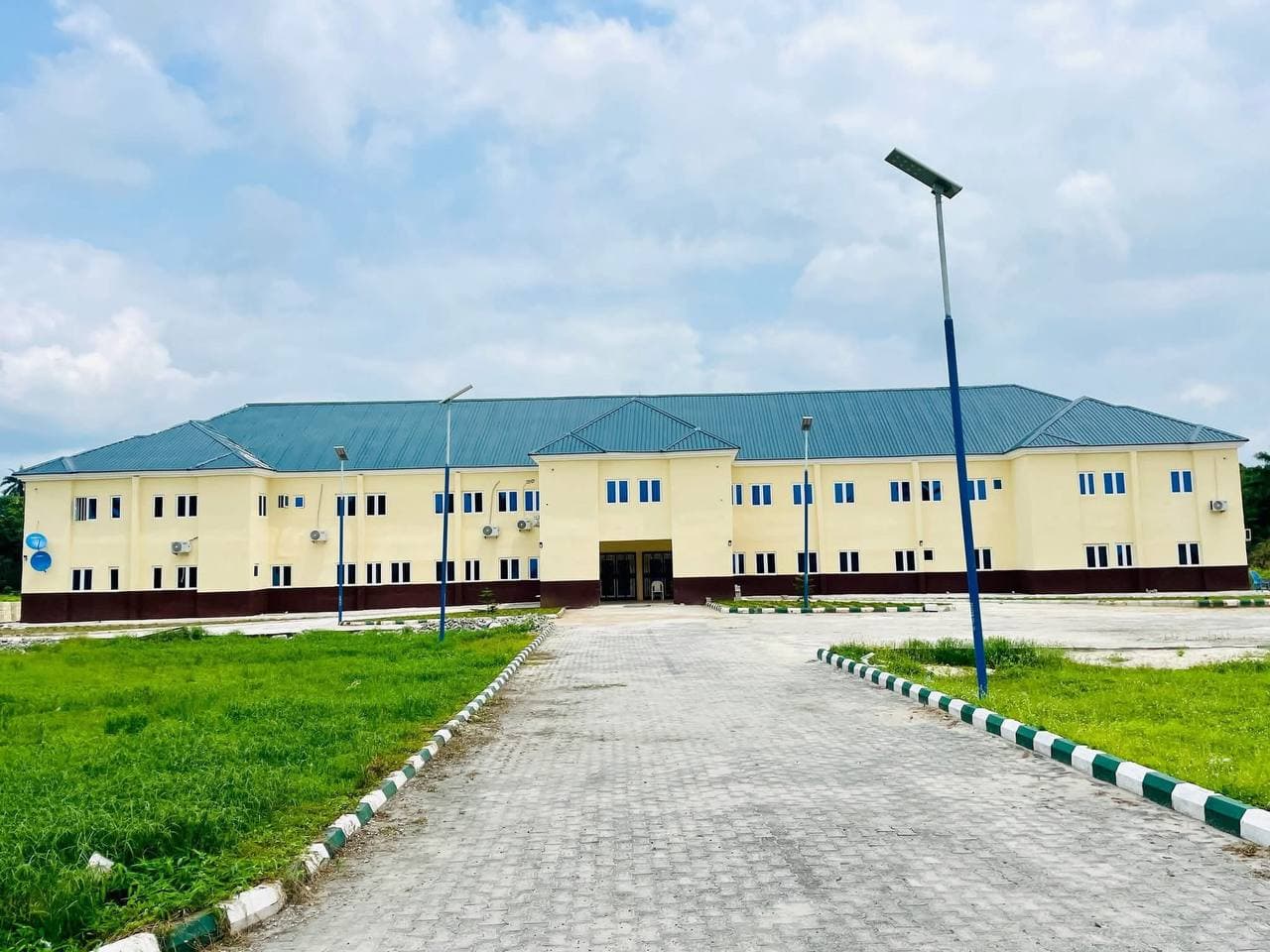
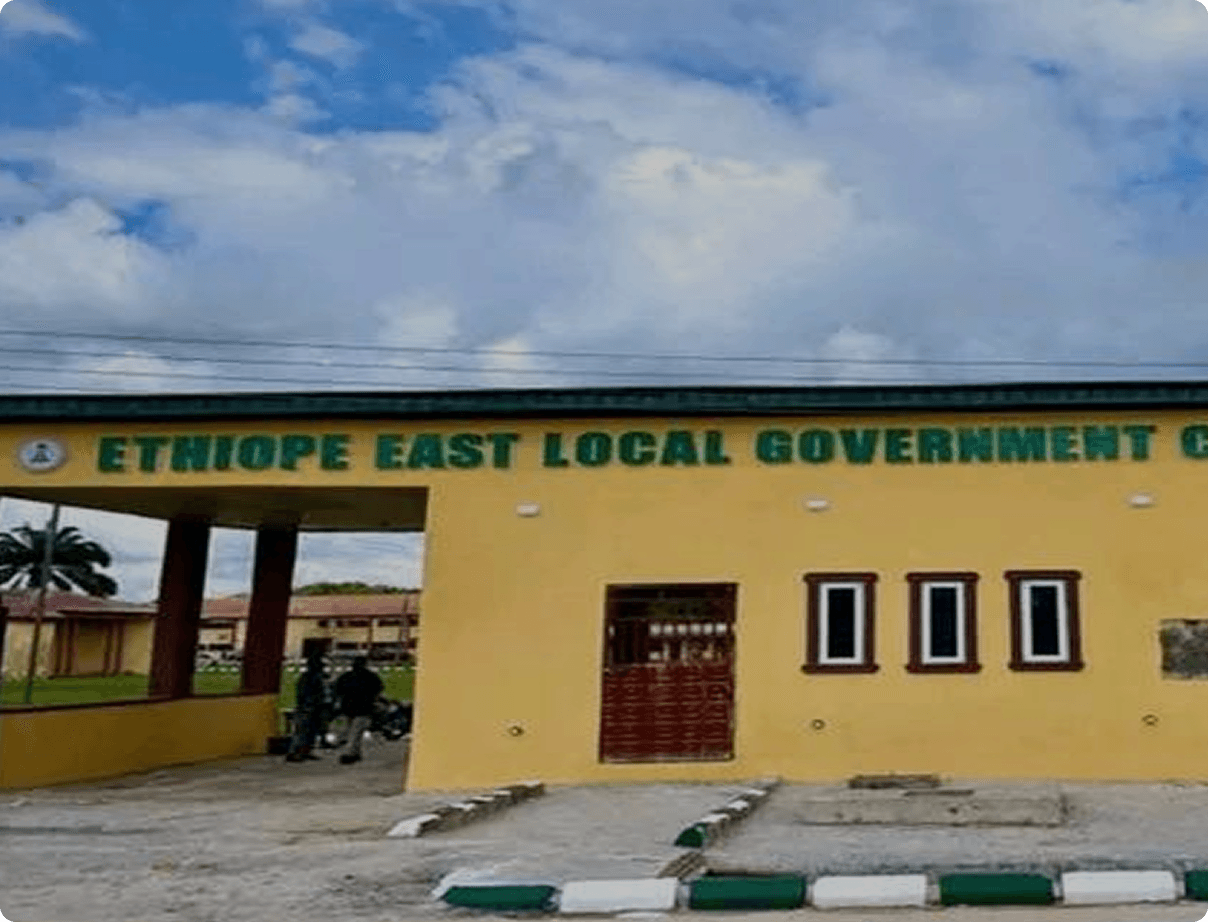
Ethiopia LGA, located in Delta State in southern Nigeria, was established in 1991 as part of Nigeria's nationwide local government reforms under the Babangida military administration. This reform aimed to decentralize power, promote grassroots development, and replace the previous 301 LGAs with 774 (as per the 1999 Constitution). The area, named after the biblical Ethiopia (possibly due to historical missionary influences or geographic features), covers about 793 km² and has a population of around 236,000 (2006 census). Before colonial rule, the region was inhabited by Urhobo people, with ancient settlements centered on farming, fishing, and trade along the Ethiope River. During the early 20th century colonial period, it was incorporated into the British Southern Nigeria Protectorate and administered as part of the Warri Province. After Nigeria's independence in the 1960s through the 1980s, the area formed part of Bendel State, where rural development initiatives prioritized agriculture and education. Its formal creation in 1991 carved it from the former Ethiope LGA, establishing headquarters in Isiokolo and encompassing 10 political wards that actively promote Urhobo culture. In modern times, the LGA has focused on infrastructure growth and an oil-related economy near Ughelli, while grappling with challenges such as flooding and youth unemployment; recent elections, like those in 2023, underscore its commitment to democratic participation. Today, it's known for its lush riverine terrain, palm oil production, and cultural festivals, contributing to Delta State's economy. For more details, see local government records or Delta State archives.
Economically, Ethiope East benefits from its proximity to Ughelli, a key oil-producing area in Delta State. The LGA hosts oil and gas infrastructure, contributing to Nigeria’s petroleum economy, but this has brought challenges like environmental degradation and pipeline vandalism. Agriculture remains a cornerstone, with palm oil, rubber, and cassava farming driving local commerce. The Ethiope River supports fishing and small-scale irrigation, while markets like the Abraka Market attract traders from neighboring LGAs. Recent initiatives have promoted agro-processing to boost Internally Generated Revenue (IGR).
Looking forward, Ethiope East aims to leverage its agricultural and educational strengths, alongside its oil economy, to drive sustainable development. Investments in eco-tourism, renewable energy, and vocational training for youths are emerging priorities. The LGA continues to play a vital role in Delta State’s economic and cultural landscape, blending tradition with modernity. For further details, consult Delta State government records, local archives, or academic studies on Urhobo history.